Climbing 7,000 m Peak in the Himalayas and Choice of Peaks
Q. Why should I choose Nepal for a 7,000 m peak climbing?
There are many 7,000m peaks scattered across different regions of the world – China/Tibet, India, Pakistan (Karakoram), Tajikistan, Kyrgyzstan etcetera. So, it is natural to wonder: Why choose Nepal for climbing a 7,000 m peak? Tukuche Peak is 6,920m (22,6801ft) the highest of 6,000m peak and semi-technical peak to climb, thus can be placed in 7,000m peak category. Here, we give some key reasons why Nepal is one of the best destinations for a 7,000 m peak climbing experience:
First and foremost, Nepal is home to the world’s highest mountains, where eight of the fourteen 8,000 m peaks are located. The country also has more than 1,300 mountain peaks above 6,000 m. There are total of 414 Himalayan peaks open for climbing. And, out of them 75 are of 7,000m height.
This offers a wide range of options at different difficulty levels many of which are ideal for beginner and intermediate climbers, as well as serious mountaineers.
The Government of Nepal provides a streamlined permit system, world-renowned Sherpa climbing guides with exceptional expertise in safety and high-altitude terrain, and added charm of breathtaking natural beauty and rich cultural diversity throughout the journey – all of which make Nepal’s mountains a premium climbing destination. In short, Nepal’s mountain peaks are the most accessible now due to extensive focus on climbing sports by the government whereas peaks in Pakistan are remote as well as technical, China has permit-sensitiveness, and India has complex logistical support system.
For all these reasons, Nepal is ideal place to begin your climbing adventure be it of 6,000m peaks or progress to serious mountaineering of 7,000m and 8,000m peaks in the Himalayas.
Q: Which 7,000 m peak in the Himalayas are typically selected by climbers to begin their high-altitude mountaineering journey or preparation for 8,000m climbing?
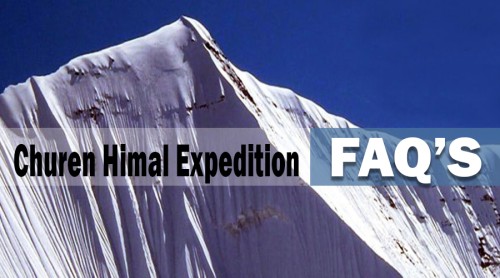
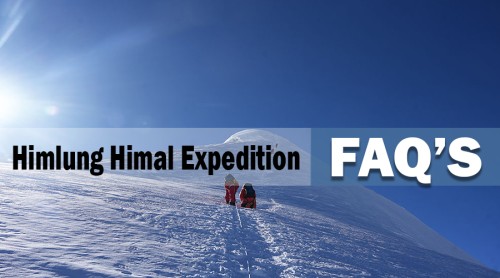
Climbers can choose any of the peaks which are comparatively less technical, gives good exposure to the altitude, and has established route etcetera. Basically, we can say and recommend that you climb any from Himlung Himal (7,126m /23,379 ft), Tukuche peak (6,920m / 22,6801ft), Churen Himal (7,371m /24,183ft), Mt. Baruntse (7,129m /23,388 ft), Mt. Pumori (7,161m /23,494 ft), Tilicho Peak (7,134m /23,305 ft) to begin your 7,000m mountain climbing journey.
Most of these peaks have pretty well-established routes, moderate to high technical difficulty, gradual acclimatization camps and excellent logistics support. Moreover, climbing these peaks can prepare well for your next 8,000m climbing or more technical mountains like Ama Dablam.
Q: Can you give some technical comparison of these peaks?
The altitudes of the peaks mentioned are very similar. Tukuche Peak (6,920m) is 80m less than 7,000m benchmark. Whereas, Himlung Himal (7,126 m / 23,379 ft) rises 126 meters above 7,000 m, Baruntse rises 129 meters (7,129 m / 23,388 ft), Tilicho Peak rises 134 meters (7,134 m / 23,405 ft) and Churen Himal (7,371m /24,183ft) rises 371 meters above the 7,000m.
Himlung Himal is the most climbed mountain to date, with a total of 1,061 ascents since 1992, whereas Baruntse has recorded 746 ascents since 1954. Likewise, Pumori has only 542 ascents since 1962, Tilicho Peak has just 150 ascents, Tukuche Peak has 114 ascents, and Churen Himal West and Central both 14 ascents so far (The Himalayan Database, online).
Himlung Himal has gentler slopes of around 35-45° and follows a straightforward route, with a long summit day of about 10-12 hours. It is the least technical peak among these peaks. It can be placed in the Alpine category of PD+ (Peu Difficile Plus little difficult plus) or moderately technical.
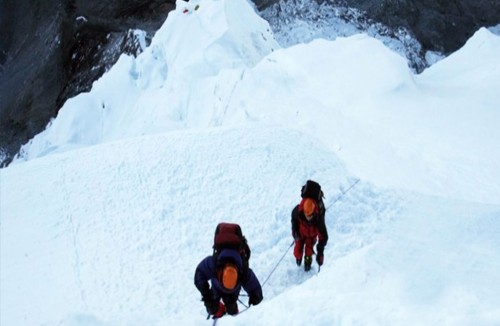
Tukuche Peak is semi-technical peak with 40-50° slope with glacier, snow and ice climbing on the North-West route. The climbing requires crevasses navigation, fixed rope climbing and full mountaineering kits. In the Alpine category it is ranked as PD++ (Peu Difficile Plus plus little more difficult) or moderately high technical.
Baruntse ranks as a moderate-difficulty peak, with ice and snow slopes reaching about 50-55°. The summit push typically takes 10-12 hours and features an exposed summit ridge. Overall, Baruntse is more technical and committing than Himlung Himal. It can be placed in the Alpine category of PD+ to AD- (Peu Difficile Plus to Assez Difficile Minus) or moderately technical.
Mt. Pumori is the most technical of these with mixed of snow and rock slope of 45-60° and more exposed summit ridges with sharp and steep faces with objective hazards. Summit push is longer to 12-15 hours. It can be placed in the Alpine category of AD to AD+ (Assez Difficile to Assez Difficile plus) or very high technical.
Churen Himal is technical, and challenging climb with mixed terrain of rock, snow, and ice sections. There is 45-60° slope and the D to TD- (Difficile to Très Difficile Difficult to slightly Very Difficult).
Q: Is Tukuche Peak safer than other peaks for climbers?
A mountain cannot be labeled as entirely “safe” or “unsafe” on its own. However, in general terms, the Tukuche Peak expedition is considered less risky than some of the other peaks because it features an established route and fewer objective dangers, such as rock-fall or avalanche risk. Tukuche Peak is relatively safe peak. Altitude can pose challenges on all of these mountains.
Helicopter evacuation is possible on all of them in emergencies, though the ease of evacuation varies, with some peaks being more accessible than others.
With the support of experienced organizer like Satori Adventures, and professional Sherpa guides, Tukuche Peak can be climbed safely. Some issues to be taken into considerations are: proper acclimatization, pre-climbing training and fitness, basic know-how to use some climbing gears, quality equipment, expert Sherpa guide.
About Tukuche Peak climbing, Information and Pre-requisites
Q: Where is Tukuche Peak located?
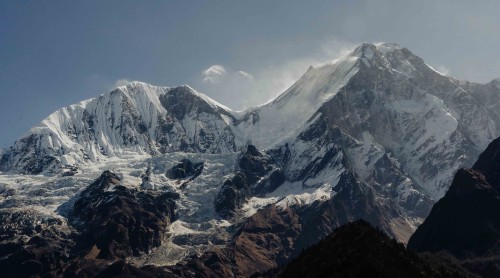
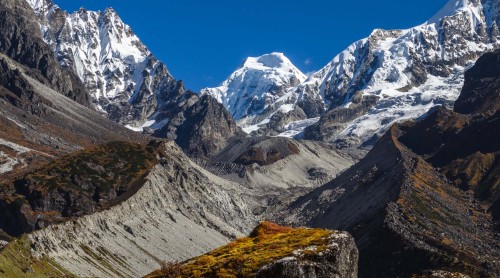
Tukuche Peak is located in the Dhaulagiri sub-range of Nepal Himalayas, in the central-north part. Tukuche Peak is located in the rain shadow region made from Annapurna massif.
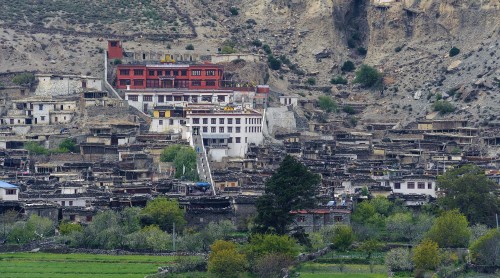
Approach to Base camp of Tukuche Peak is from Pokhara Beni Jomsom road. From Marpha village you hike to the Base Camp in the south-west route.
Q: What is altitude of Tukuche Peak Base Camp?
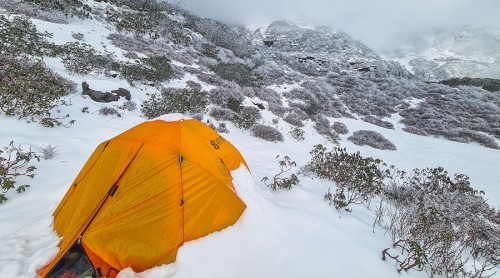
The Base camp of Tukuche Peak is set at an altitude of about 5,100 m (16, 732 ft). This camp is used to rest, acclimatize, and train to use climbing gears.
There are two more camps required for the summit and we pitch Camp I at 5,600 m (18,372 ft), and Camp II at 6,200 m (20,341 ft) from where you push for summit. Camp elevations can be ±50-70 meters depending on terrain conditions for the safest available placement during the expedition.
Q: What are pre-requisites for the Tukuche Peak expedition?
Climbing Tukuche Peak requires power of high endurance, both mental and physical skills and strength. Practically for the success and safety, your previous experiences in rock climbing, snow and ice climbing or even high-altitude climbing experiences in the Himalayas is required.
Without previous experiences you can opt for our Guided Tukuche Peak Expedition which is operated with the help of world-class Sherpa with your strong mental/physical preparation and trainings. These may include high VO2 max; strong legs, core, and shoulder; decision-making in extreme situations; strong emotional intelligence and judgements; and the positive mindset. But, still previous experience is expected.
However, our policy for accepting climbers for the Tukuche Peak expedition requires previous experience of 6,000m peak climbing to ensure confidence on you, for your safety and summit success.
Q: What are the conditions I must meet to join Satori Tukuche Peak expedition? Do I need a specialized high-altitude training before joining this climb?
Government of Nepal restricts permit for Tukuche Peak Expedition to the minors aged below sixteen years. Any climber/aspirer with appropriate fitness and skills can attempt to climb. As mentioned earlier, our policy for accepting climbers for the Tukuche Peak expedition requires previous experience of 6,000m peak climbing.
Set of general skills and knowledge like rock/ice climbing; use of gears like ice axes and crampons; knowledge of ascend/descend on fixed lines will be taken into considerations.
We furthermore take the matter of your physical fitness very seriously as it puts yourself, your climbing partners, Sherpa in a safer situation.
Q: Can I climb Tukuche Peak if I have prior experience of climbing Kilimanjaro?
Climbing Kilimanjaro (5,895 m / 19,341ft) means you have already been very close to 6,000 m altitude and gained valuable experience with high altitude, long summit day, and demanding downhill descent. This background is extremely helpful for acclimatization and building confidence needed.
However, Tukuche Peak involves additional technical challenges and climbing. You will need to use crampons, a harness, an ice axe, rope techniques, fixed-line climbing and a Jumar, navigate glacier crossings, and climb a snow, ice and rock headwall all of which are not required on Kilimanjaro.
Conditions on Tukuche Peak, next to the world’s high mountains like Annapurna and Dhaulagiri massif can be much colder, windier, and more exposed. The summit day from High Camp is also usually longer and more physically demanding than on Kilimanjaro.
That is why, we recommend that you have experience of peak climbing in the Nepal Himalayas such as Lobuche Peak (6,119 m / 20,062 ft), Mera Peak (6,476 m / 21,247 ft), Island Peak (Imja Tse) (6,189 m/ 20,305 ft), Pisang Peak (6,091 m/ 19,984 ft) and others. They are some good preparatory peaks in Nepal to climb before attempting 7,000m peaks like Tukuche Peak.
Q: Are there any critical components that determine the success or failure of an expedition?
Climbing Tukuche Peak successfully is not an easy feat. There are many components that can determine the success or failure of your expedition. Here, we list some noteworthy components based on our experience so you can prepare yourself for the success accordingly.
- Personal physical and mental fitness as well as previous climbing experiences
Physical fitness, mental strength along with proper handling of emotional intelligence are among the most critical components of a successful Tukuche Peak expedition. Strong cardiovascular endurance, exceptional mental resilience, the ability to manage emotions under extreme conditions, and prior experience of some 6,000 meters and above significantly increase the chances of a safe and successful summit attempt. In contrast, a lack of preparation in these areas can greatly increase the risk of failure and serious altitude-related complications.
- Personal climbing Equipment
Mt. Tukuche Peak expedition is an extreme high-altitude undertaking that demands only the highest quality, expedition-grade equipment. Using tested, reliable gear increases safety and overall comfort in some of the harshest conditions on Earth, while cheap or untested equipment can lead to serious risks, equipment failure, and even life-threatening physical injuries. We provide high-standard, field-tested gear along with all necessary backups from our side, and we strongly advise you to arrange equally reliable equipment personally. Please review our equipment list page carefully to ensure you are fully prepared for your expedition.
- Weather conditions and Timing
Weather conditions at high altitudes, such as on Tukuche Peak, can change within minutes. And, the most importantly, mountain does not take your personal ambition or dream into account.
However, we can handle this critical component carefully to enrich the chances of successful expedition. We prioritize this critical aspect by relying on high-quality weather forecasts from different sources, employing highly experienced Sherpa guides, and planning summit pushes during the most favorable weather windows to maximize your chances of a successful climb.
It is equally important for you to understand the mountain environment, and remain flexible, as safety must always take precedence over summiting.
- Personal climbing Sherpa guide and their experiences
Sherpa guides are the true heroes of the mountain climbing in the Himalayas, and their role is critical to the success and safety of Tukuche Peak expedition. Sherpa guides possess unmatched high-altitude experience, deep knowledge of the mountain’s terrain, skills to navigate hazardous conditions and sudden weather changes. Their experiences and expertise in pacing, acclimatization management, route fixing, oxygen management, building rope systems combined with their emotional and moral support in the extreme conditions, significantly enhances both the safety and success rate of your Tukuche Peak expedition.
- Local operator’s ability and experiences as well as enough resource management
Proper organization is critical for the success of Tukuche Peak expedition. From designing a detailed and proper itinerary, controlling pace to implementing effective acclimatization plans must be carefully managed. Ensuring the use of high-quality gear, accurate weather forecasts, and robust logistics for food, tents, oxygen, and permits is essential to be in order for the success. Furthermore, employing highly experienced and well-trained Sherpa guides, along with maintaining proper climber-to-Sherpa ratio, plays a vital role in maximizing the expedition’s success. At Satori Adventures, we are absolutely aware of these requirements and are deeply committed to providing meticulous planning and support.
Q. Is this trip (Tukuche Peak climbing) suitable for me?
We have already outlined general fitness and other requirements for Tukuche Peak climbing above. Climbing nearly a 7,000 m peak like Tukuche in the Himalayas is for those who has climbed peaks earlier, and has good exposure on using an ice axe, climbing on fixed ropes, and using crampons on snow and ice terrain.
If you are considering climbing Tukuche Peak, ask yourself a few important questions: Am I physically fit enough to withstand high-altitude and some technical climbing in the Himalayas? Am I technically capable of handling expected terrain and conditions?
The honest answer to your questions can hint whether the peak is suitable for you or not. If you have any doubts, we recommend you to train yourself bit before attempting the peak or begin with easier peak to climb like Mera Peak, Island Peak, Lobuche East Peak and others in the Himalayas.
Choosing the Right Company (Why Satori Adventures)
Q. How to choose an experienced climbing service provider for my Tukuche Peak climbing trip?
For a successful and safe expedition, choosing an experienced service provider is one of the most vital steps. A company with certified and experienced guides, strong safety standards, and well-planned itineraries is essential when selecting your climbing partner.
In Nepal, more than 1,700 trekking companies are registered and licensed to offer 7,000-meter peak climbing services along with other expeditions, but only about 30 companies operate regular expeditions to these 7,000-meter, 8,000m and 6,000m peaks in the Himalayas. You have to, thus, be careful while selecting right company. And, we are proud to be one of those 30 companies and assure that you are in right hand.
Q. Why Should I choose Satori Adventures for Tukuche Peak climb trip?
As mentioned above, out of more than 1,700 trekking companies in Nepal registered only 30 companies operate expeditions to 6,000m to 8,000m peaks in the Himalayas regularly. We are proud to be one of these 30 companies and have consistently been offering safe, reliable, and professionally guided climbing expeditions. We consistently run successful expeditions year after year, along with other 8,000m, 7,000m, and 6,000m peak expeditions.
We are a homegrown expedition operator from Nepal, with all professional climbing guides born and raised in the Himalayas. We do not simply ‘fill’ expedition spaces; instead, we focus on forming a team of compatible climbers who show strong integrity, honesty, and trust in one another. We work on our philosophy of “High Success and High-Safety”.
The company and expedition both led by an experienced mountaineers and industry leader. Satori Adventures’ Managing Director has been appointed as a Board Director of Nepal Tourism Board for the term (2024-27), in recognition of his significant contributions to Nepal’s tourism industry. And, he has been elected General Secretary of Expedition Operators Association Nepal (EOA-Nepal) for the term (2023-27).
We are a reliable expedition operator in the Himalayas, consistently running successful climbing trips to 6,000 m; 7,000 m; and 8,000 m peaks, including Mt. Everest.
Our Tukuche Peak expedition is known for high safety standards, an excellent safety record, a high success rate, carefully designed itineraries, high-quality camping, reliable logistics and meals, and small group sizes with personalized service.
Q: What are accommodation options in the Tukuche Peak Base Camp and high camp?
At Base Camp and High Camp, we pitch high-quality tents and provide high-altitude standard mattresses and sleeping mats for your good sleep and rest. In total, you will spend about 17 nights in tented accommodation. Before and after the climb, you will stay in a comfortable, cozy teahouse lodges of the mountain standard.
Q. What sort of meals Satori Adventures serves for the expedition?
During the trek to the Base Camp you stay at tea house lodges in few places at the beginning and at the end wherever possible. You can pick your meal of choices from the menu provided in the teahouse. These lodges provide meals based on their standard Menu, and you can choose your meal from menu. They offer varieties of meal including soup, noodles, rice, pasta, potatoes, eggs and others.
From Base camp to the end of the expedition, you will enjoy nutritious, well-balanced meals, one of the most important components of summit success, prepared by our chef. We provide high calorie meals with all essential components: carbohydrates, protein, and fats – ensuring your stay energized throughout your climb.
We plan proper diet at higher camps (above 6,000 meters) where digestion slows and food varieties are limited. If you have any dietary concern, we take this into serious consideration and request you to inform us in advance.
Q: What type of food can I expect in the Advance Base Camp? And, for the higher camps?
As we have a trained and experienced high altitude expedition cooks, they serve you scrumptious, nutritious, and healthy food. We use fresh vegetables whenever possible and have an extensive culinary repertoire. You are in fact encouraged to request your personal favorites to maintain good appetite and ensure you get enough calories.
At higher camps we use freeze-dried packaged foods sourced from the USA or UK. These foods are high-quality, flavorful and easy to prepare at higher altitude. Your personal climbing Sherpa will melt sufficient ice for hot water, tee, coffee and a variety of juices. Different flavors of tea, coffee, snacks, juice and hot water will be available 24 hours a day ensuring you stay nourished and well hydrated throughout your expedition.
Q. What personalized services I can expect from Satori Adventures? Will someone pick me up from the airport?
The Satori Adventures’ representative will be waiting you at the airport with your placard. Before you meet our representative, you are required to collect your luggage, clear immigration and customs, and proceed to arrival terminal. Airport and arrival terminal is small in Kathmandu, and you can easily find a person holding a placard with your name. We then transfer you to the Hotel, and all other services included as per agreed itinerary.
Health Issues, High Altitude Illness (AMS, HAPE, HACE) and Prevention
Q: What types of health problems can arise during my Tukuche Peak expedition?
At high altitudes, your cardio-pulmonary system is affected by low oxygen levels. This can lead to general breathing difficulties and Acute Mountain Sickness (AMS) the first stage of altitude sickness – in which headache, fatigue, nausea, and vomiting can occur. And, it is manageable through slow pace ascent, proper acclimatization, maintaining a balanced diet, and hydration.
If left untreated or pay less attention with carelessness, AMS can progress to High-Altitude Cerebral Edema (HACE), caused by brain swelling, or High-Altitude Pulmonary Edema (HAPE), which is a fluid buildup in the lungs. Both HACE and HAPE are life-threatening conditions that require immediate medical attention.
Other risks at high-altitude expedition include sunburn and snow blindness. Intense UV radiation at high elevations can damage skin and eyes. Using sunscreen, wearing appropriate clothing, and protecting your eyes with sunglasses with category 4 lenses – especially on glaciated terrain – are essential precautions.
Apart from these issues, at high altitude you may feel full quickly or experience a loss of appetite. Changes in altitude, diet, food and water, and food intake timing can sometimes cause your stomach to become cramped or bloated. At higher elevations, bowel movements tend to slow down, resulting in slower digestion. Increased physical strain combined with altitude and a carbohydrate-heavy diet can also lead to acid reflux or heartburn. Since we are responsible for your meals, we take the utmost care in food preparation and hygiene to protect your health and minimize any food-related issues.
Q: Can you explain more about Altitude Mountain Sickness (AMS) and others illness in detail, so I know what to pay attention to?
AMS occurs when the body reacts to a decreasing amount of oxygen in the bloodstream at high altitude. It commonly develops above 3,000 meters (9,800 ft) above sea level, though susceptibility varies between individuals. There is no reliable way to predict personal sensitivity before exposure, and previous experience at high altitude does not guarantee immunity. Higher cardiovascular fitness may reduce vulnerability to AMS.
As altitude increases, the oxygen density in the atmosphere decreases, meaning the body receives less oxygen. This leads to a reduced partial pressure of oxygen, creating a difference between external and intercellular oxygen levels, which makes it harder for the body to function normally.
Symptoms of AMS are mild and subside with rest and hydration, or descending some 400 meters. However, if ignored, AMS can progress to serious conditions, including death.
The symptoms of AMS can appear within 1-2 hours of ascent, but most often occur 6-10 hours after climbing. Mild symptoms generally subside within 1-2 days as the body acclimatizes, and they may reappear as altitude increases.
Common AMS Symptoms:
- Headache
- Shortness of breath
- Loss of appetite
- Fatigue
- Nausea or dizziness
- Rapid pulse
- Disturbed sleep or drowsiness
- Irritability
- Swelling of hands, feet, or face
- Vomiting
Severe AMS Symptoms:
- Bluish discoloration of skin (cyanosis)
- Chest tightness or congestion
- Confusion
- Cough (sometimes with blood)
- Decreased consciousness or withdrawal from social interaction
- Grey or pale complexion
- Inability to walk in a straight line, or inability to walk at all
- Shortness of breath at rest
If the body is unable to adjust, AMS may progress to High-Altitude Cerebral Edema (HACE) or High-Altitude Pulmonary Edema (HAPE). Edema refers to fluid accumulation in body tissues. Both HACE and HAPE can be fatal if untreated.
Symptoms of HAPE (fluid in the lungs):
- Breathlessness
- Dry cough progressing to a wet cough with blood-tinged sputum
- Chest tightness
- Blueness of face, lips, and tongue
- Low-grade fever (up to 38°C / 100°F)
- Severe fatigue, progressing to coma
Symptoms of HACE (fluid in the brain):
- Severe headache not relieved by painkillers or lying down
- Confusion, disorientation, and drowsiness
- Nausea or vomiting
- Loss of balance or coordination
- Blurred or double vision / retinal hemorrhage
Q: How can I prevent AMS, if possible? And, any treatment available?
Certain medical conditions (such as respiratory disease) or medications (such as sleeping pills) can increase the risk of altitude sickness. It is important that you inform us in advance or your guide of any medical conditions or medications before ascending to altitude. You can help your body acclimatize and reduce the risk of altitude sickness by:
- Avoiding alcohol, tobacco, and other similar substances that can interfere the smooth flow of oxygen to the body and brain
- Eating small, frequent meals that are high in carbohydrates
- Drinking plenty of water. A good test of proper hydration is the ability to produce clear and colorless urine
- Take it easy and have a rest. Nap when you can. Walk at a slower pace than you would at sea level and avoid over-exertion
- Climb gradually and take one to two rest days for every 600m of ascent above 3,000 m.
- Sleep at a lower altitude when possible
- Learn how to recognize early symptoms of mountain sickness
Basic treatment:
By following guidelines given above, most climbers acclimatize successfully. The best way to treat AMS is to descend to a lower altitude, adjust the ascend pace, enhance food intake, rest, and stay well hydrated. Early diagnosis of AMS is crucial, as it is easier to treat in initial stages. Our Sherpa guides are trained in recognizing, preventing, and responding to AMS symptoms. Your Sherpa guide will monitor you at all times for any signs and symptoms, and you are responsible to reporting any changes honestly and promptly.
If necessary, your guide may suggest an extra rest day, a descend to a lower altitude or the use of medication such as ibuprofen, paracetamol, or specific AMS medication. Acetazolamide (Diamox) is a common and effective medication that may be used to improve breathing and reduce mild symptoms. You should drink plenty of fluids and avoid alcohol while taking it.
In severe cases of AMS, your guide will make necessary arrangement with our Kathmandu office for evacuation by helicopter. Before joining the trek, we require that you purchase/submit comprehensive travel insurance that includes coverage for helicopter rescue and hospitalization.
Q: Can people with medical conditions climb Tukuche Peak?
Tukuche Peak is a physically demanding high-altitude climb, so climbers with certain medical conditions need to be cautious. If you have chronic heart or lung conditions, severe asthma, high blood pressure, or a previous history of altitude sickness, you should consult your doctor and obtain medical clearance before attempting the climb. You may prepare for physical fitness well, have more days to acclimatize, and the most important of all, inform us of your medical conditions honestly in advance.
Q: Can people with high blood pressure or diabetes climb Tukuche Peak?
Yes, people with high blood pressure or diabetes may climb Tukuche Peak, but extra precautions must be taken. You should consult your doctor and obtain medical clearance before the climb, ensuring that your condition is well-controlled. Most importantly, you must disclose your condition honestly to us before booking the trip.
Emergency Situations and Evacuation Scenarios
Q: What if I get sick or injured can I continue after recovering? What happens if a team member or climbing partner becomes sick does it affect my climb?
We wish that such a situation will not occur during your expedition. However, if you become ill during your acclimatization cycle, or while at Base Camp, Camp I, or Camp II you can opt for recovery either at Base Camp or in specialized hospital in Kathmandu. If you return to Kathmandu for a detailed medical check-up and treatment, and the doctor recommends that you are fit to continue, you may rejoin the expedition within the valid climbing permit period. All additional costs of these types are excluded in our package cost, and under your own responsibility.
If you become ill during the summit push from Camp II onwards, emergency rescue and immediate evacuation will be required, and the possibility of recovering and continuing the climb is minimal.
Your climbing schedule and summit attempt will not be affected by the illness or inability of other team members. You are free to continue your guided ascent of Tukuche Peak as per your plan.
Q: What happens if my Sherpa guide gets sick during the expedition?
At Satori Adventures, your safety and smooth climb are our top priorities. If a Sherpa guide gets sick or is unable to continue at any point during the expedition, we will immediately replace him/them with one of the additional Sherpa guide(s) in the team. We also maintain a pool of highly experienced backup Sherpa guides who can step in at any time. This ensures that each climber continues to receive personalized 1:1 support during the summit attempt.
Even in the case that an issue arises during the summit push, the expedition leader can act as your personal climbing Sherpa guide. This is the main reason why we always include 1-2 additional Sherpa guides beyond the number required, to ensure safety, support, and flexibility throughout the expedition.
Q: Is helicopter rescue and evacuation service available? How will it be arranged?
At Satori Adventures, we always recommend that our customers have comprehensive insurance that covers medical treatment, evacuation, and high-altitude rescue during the expedition.
However, safety is always our top priority. In the unlikely event of an emergency, helicopter rescue is available for altitudes below 6,500 meters through both private operators and the Nepal government. High-range helicopters, such as the B3E, have the power to hover at around 8,000 meters and perform long-line rescues at around 7,000 meters. This ensures that even in critical situations, rapid evacuation is possible.
We will coordinate with the relevant authorities to ensure timely rescue and evacuation if needed.
Q: What risk and hazard mitigation measures does Satori Adventures have in place during my trip?
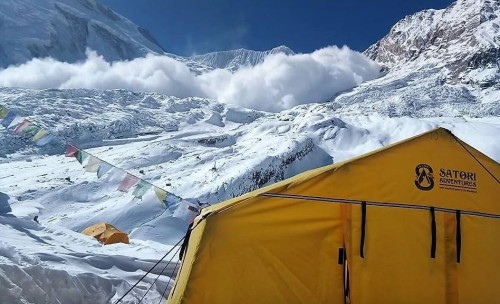
In a mountainous country like Nepal, there is always a potential risk of natural disasters such as heavy snowfall, avalanches, flooding, landslides, and earthquakes. We are aware of these risks and have developed comprehensive emergency and evacuation procedures to ensure your safety on our expeditions. These includes backup communication devices to contact our office in Kathmandu and respond promptly in any emergency situation.
In the event of road blockages caused by major landslides or earthquakes, we will evacuate expedition members by helicopter. Such evacuations are considered emergency evacuations due to force majeure, and the cost of helicopter rescue must be covered by your travel insurance.
Insurance Requirements for Tukuche Peak Expedition
Q: Is high-altitude and evacuation insurance mandatory? And, what sorts of insurance should I purchase?
Yes, having a good travel/climbing insurance with wide coverage is essential while attempting a mountain peak like the Tukuche Peak. Your small investment in insurance can save you from very high costs in the future. As this expedition involves high-altitude conditions, the risk of hazards is significantly higher. Proper insurance coverage thus can protect you from any unexpected financial or medical burdens in the future.
Your insurance should include high-altitude medical coverage for altitude related illness such as Acute Mountain Sickness (AMS), High-Altitude Pulmonary Edema (HAPE), High-Altitude Cerebral Edema (HACE), and other possible injuries like frostbite, fall etc. The policy must cover altitudes of 8,000m or higher.
Emergency evacuation, including helicopter rescue, must also be incorporated in your insurance policy. We generally advise a minimum coverage of USD 25,000 for evacuation and rescue services.
Furthermore, your insurance should also include repatriation to your home country if required (this is not mandatory and entirely up to your preference). Besides these, your policy may cover costs of loss, delays, cancellation of services etcetera.
Q: Where can I obtain my travel insurance? Do you have any recommendations?
It is important to arrange your travel insurance in your home country before departure. When purchasing a policy, ensure that it provides reliable services on timely manner, including emergency evacuation via fully equipped medical transportation. Some insurance companies may not have efficient communication channels in Nepal or in high-altitude regions, which can delay response times in emergency situations. So check their support system and local agency presence.
Additionally, note that classification of emergency situations may vary between insurance companies. So, make sure that you are well-informed of their policies. Though, endorsing any specific company is not our policy, to the best of our previous experience and knowledge, Global Rescue is considered a reliable option.
Tukuche Peak Expedition Gear and Equipment List
Q: What essential personal equipment do I need to prepare?
We have listed detailed expedition equipment list on a separate page Please click here to equipment list. If you still have questions after reviewing the list, please feel free to contact us at info@satoriadventuresnepal.com or via Whatsapp Message
We recommend purchasing high quality down jackets, fleece layers, and Gore-Tex from reputable brands such as the North Face, Ozark, Marmot or others you trust. We recommend that you use sport millet or La-sportiva high-altitude climbing boots for the Tukuche Peak expedition.
You will need technical climbing gears such as Climbing Helmet, Ice-axe, Crampons, Alpine-style Harness (e.g. Black Diamond Alpine Bod), Ascender (Jumar), Rappel (descender device), minimum of four Carabiners (two locking and two non-locking), four Prussic loops (two long and two short) etc.
Our experience shows that a two sleeping bag system works best for peaks like Tukuche Peak Peak. One sleeping bag is used and kept at Base Camp rated between -20°C to -25°C (-4°F to -13°F). And, the second bag used at higher camps should be rated -30°C to -40°C (-22°F to -40°F). We strongly recommend that your sleeping bags made of down, not synthetic materials, for better insulation in extreme conditions.
Q: What is the approximate cost of purchasing climbing gear for Tukuche Peak expedition in 2026?
The cost of gear depends on its quality. For premium, expedition-grade equipment, the total cost can range from USD 10,000 to USD 15,000. This typically covers items such as a summit down suit (for extreme cold), high-altitude boots, sleeping bags (for both Base Camp and high camps), a sleeping pad or mat, multiple layers of clothing, and various technical items – including a harness, helmet, ice axe, crampons, carabiners, belay devices, ascenders, and other essential personal items.
Q: And, can I rent or hire equipment instead of buying?
As we mentioned earlier, personal climbing gear is one of the most critical components for the success of your expedition. And, Tukuche Peak is an extreme high-altitude expedition, which demands the highest quality, expedition-grade equipment.
By renting gear may reduce upfront costs compared to purchasing your own high-quality expedition-grade equipment. But, rented equipment can often be outdated, heavily used previously – that can be unhygienic, uncomfortable – or of low-quality. This can compromise safety in extreme conditions – potentially resulting in life-threatening risks.
For these reasons, we strongly recommend that climbers make a careful and informed decision regarding their personal expedition equipment, prioritizing quality, fittings, and reliability for a safe and successful climb.
Q: Does Satori Adventures provide sleeping mat for Base Camp, Advance Base Camp, and high camp?
Satori Adventures will provide a thick, high quality pad for use at Base Camp and Advanced Base Camp. But, above to this, you will need to bring your own sleeping pad. Foam pads generally work best, although some climbers prefer air mattresses.
Q. Who will carry climbing equipment above Base Camp? Do I have to carry my own gear?
The level of support you receive on the Tukuche Peak expedition depends on the type of service you choose from Satori Adventures.
We utilize multiple transport methods including trucks and jeeps followed by Mules and porters to deliver supplies to the Base Camp.
When you choose our fully-guided full-board Tukuche Peak expedition service, all logistics are managed by our team. In our full-board Tukuche Peak expedition service, porters may assist to carry your personal gears to the higher camps, while your dedicated personal Sherpa guide (1:1 ratio) ferries basic logistics, sets up tents, and prepares high-altitude meals at camps I and II as required.
During the summit push, you are required to carry essential items such as oxygen cylinder (if you require), 2-3 liters of water, chocolates and other dry meals, and back-up masks, approximately 15 kilograms. For this reason, we advise that you carry personal gear from Base Camp to higher camps to aid acclimatization and adapt to carrying weight at high altitude.
If you prefer not to carry your personal gear and want a Sherpa to help you, you may hire an additional Sherpa, which currently costs approximately USD 10,000.
If you opt to share a climbing Sherpa among other fellow climbers instead of the 1:1 ratio, you will be expected to carry some logistics to the higher camps from the Base camp. And, while choosing Base Camp logistics service only, you are responsible for carrying your own food, equipment, tents, and other necessary items.
About Tukuche Peak Expedition Weather
Q: What happens if the weather window closes during the summit push? How many days might we need to wait for a safe weather window?
In the event of unfavorable weather during a summit push, you wait at lower camps for a suitable weather window. If conditions remain unsafe and unfavorable weather for an extended period, the only option is to retreat and abandon the climb to ensure safety.
There is no fixed waiting period, as the timing entirely depends on the mountain’s unpredictable weather patterns.
Your guide, in consultation with the company, advanced weather forecast, the Government of Nepal, and fellow Sherpa guides on the mountain, will make a careful and informed decision regarding the summit attempt.
Q: How cold does it get during the expedition and near the summit?
Among two popular climbing seasons viz. autumn or post-monsoon months of September and October, and Spring months of April and May, the autumn is colder but more popular season to climb Tukuche Peak.
You can expect the night time temperature at Base Camp around -15°C to -10°C (5°F to 14°F) and -20°C to -25°C (-4°F to -13°F) at the summit characterized with extreme chill wind. Autumn temperature at Base Camp cab reach to -20°C and summit temperature can reach to -40°C (-40°F).
In the spring season, temperatures are slightly less than this. And, strong chilling wind can make it feel much colder at the summit in both seasons.
The mountains in the Himalayas are climbed mainly during two popular seasons: Spring (April-May) and Autumn/post-monsoon (September-October), with autumn being popular season for Tukuche Peak climbing.
Q: What is the best climbing season for Tukuche Peak in 2026-2027, and why?
Autumn (September-November) is the best season to climb Tukuche Peak. Weather is stable in autumn season in Tukuche Peak in contrast to Dhaulagiri due to lower altitude, sits below the main Jetstream and cold exposure is tolerable compared to Dhaulagiri which is 1,000m plus lower in altitude.
Although, it can be short, autumn season creates the crucial weather windows needed to attempt the summit safely. Moreover, most of the Tukuche Peak expeditions take place in autumn, thus logistics, fixed lines, and Sherpa support are at their strongest – further increasing safety and success rates.
Spring (March-May) is a viable alternative for climbers, but you can expect strong wind in the summit and has less practical weather window.
Q: Why isn’t Tukuche Peak climbed in other seasons besides Autumn and Spring?
We mention above that besides autumn season, spring season is also used to climb the Tukuche Peak, though not by the same number of climbers. Other two seasons in the Himalayas are prone to many challenges to operate Tukuche Peak expeditions. Our monsoon season or rainy season (June-August) is characterized with frequent heavy rain and floods. Drive to the mountainous villages are almost impossible due to excessive rain and clouds.
And, winter months of November-January is characterized with extreme cold, and heavy snowfall. But, the government of Nepal has a provision to issue permit in lower fees to attract climbers, and balance the mountain crowd.
Q: How long do I stay at Base Camp and what does acclimatization rotation look like before beginning the summit rotation?
When you arrive at Base Camp (5,100m /16,732ft) for Tukuche Peak expedition, you prepare for acclimatization and may rest. Meanwhile, our staff will set up the camps. We perform a Pooja ceremony – customary Sherpa ritual to beg pardon for climbing holy Himalayas, and seek blessings of safe passage to the summit – at Base Camp.
In general, you spend about 3-4 days at Base Camp for acclimatization rotation before starting the climbing rotation. Here, at this base camp you train yourself and gain confidence in fixed ropes. After this, start the first rotation of acclimatization. You may spend a night in camp I at 5,900 m (19,357 ft) and then descend to the Base camp and rest there for 1-2 days to gain strength, adapt in the altitude, and recover.
In the second rotation, you climb to the Camp II (6,200m /20,341ft) and return to Base Camp. This rotation is of 3-4 days.
Now, the week to plan for the dream at the Base Camp. You wait and monitor the weather window. Plan for the summit.
Q: How long does the entire Tukuche Peak expedition usually take?
Our Tukuche Peak Expedition 2026 itinerary is designed for approximately 28 days in total. You should also allow an additional 2-4 days for international travel to and from Kathmandu, depending on your location and flight availability. So, it makes about 30-31 days’ trip.
Out of the 28 days, around 14 days are spent at Base Camp and higher camps for the climbing and acclimatization phases. The remaining time is allocated for the trek to Base Camp, essential pre-expedition preparations in Kathmandu, and post-climb rest and shopping before your departure.
This extended schedule is carefully designed to provide proper acclimatization, flexibility for weather delays, and a safer summit attempt on Tukuche Peak.
Q. Who will be the expedition team leader, my personal climbing Sherpa guide and what are their experiences if I choose Satori Adventures for my Tukuche Peak expedition trip for 2026 or 2027?
The expedition team leader who will lead you to the summit of Tukuche Peak is highly experienced, well-qualified, and have been working with us tirelessly for decades. Most were born in the high-altitude regions of the Himalayas and have spent their lives above 4,000 meters, which gives them unparalleled altitude adaptation and mountain knowledge.
Our expedition leaders have at least two successful Tukuche Peak or other 8,000m peak summits, with few rope-fixing experiences, strong high-altitude guiding experience on other 8000 m peaks, and excellent safety records. They possess deep knowledge of weather patterns, route management, and rescue procedures, along with strong leadership and communication skills. They are well-known in the mountain community for their excellent coordination with other expedition companies and are highly respected figures in mountain tourism. Their professionalism, patience, and respect toward every climber make them among the most trusted leaders on the mountain. They also have exceptional expertise in rope fixing and route opening, ensuring maximum safety and efficiency throughout the expedition.
Your personal Sherpa guide who assist you are certified mountain guides through the Nepal Mountaineering Association (NMA) and the Nepal Government, with advanced mountaineering training from NMA and other related trainings from Trekking Agencies Association of Nepal (TAAN) and Nepal Academy of Tourism and Hotel Management (NATHM). Some of our guides are also certified through the International Federation of Mountain Guides Associations (IFMGA). Every Sherpa leader and guide holds a valid Nepal Government license, Mountaineering Association accreditation, and official summit certificates. In addition, we provide extensive training to our Sherpa guides in technical mountaineering, English communication, customer service, and Wilderness First Aid, ensuring they are fully prepared to offer the highest level of safety and support on your Tukuche Peak expedition.
Most importantly, your Sherpa Guide already have three summit achievements on 7,000 to 8,000m peaks in the Himalayas before we assign them to Tukuche Peak expedition as a Guide with you. You can find detailed profiles and accomplishments of our Sherpa guides here:
Cost of the Tukuche Peak Expedition for 2026-2027, Booking and Refunds
Q: What is included in the expedition cost, and how much additional money should I budget for personal and unforeseen expenses?
Under the Costs section [Click Here] you can find full details of what is included and excluded. If you have further questions, please contact us at info@satoriadventuresnepal.com or send a Whatsapp Message
There are other personal expenses to consider during your trekking and climbing. Tips for Sherpa guides and support staff are an important part of these extra costs. Based on our experience, you may budget around USD 5,000 -7,000 for personal and unforeseen expenses. This includes:
- Tips and summit bonuses for Sherpa and other staff
- Internet and communication
- Personal food, snacks, and beverages
- Emergency and contingency fund (recommended USD 2,000)
Planning ahead for these expenses helps ensure a safe, comfortable, and well-prepared Tukuche Peak expedition.
Q: How do I book my Tukuche Peak expedition for 2026 or 2027?
Once you complete filling the booking page with related information, you are requested to send us scanned copy of passport and printable JPEG format photo for permits. You may provide us your travel itinerary once fixed. 30% deposit will be required at the time of booking, and rest you pay prior to your trip commencement date. For, more information on booking, payments, and cancellation policies including other conditions, visit our terms and conditions page.
Q: What happens if I cannot continue the expedition, is any refund possible?
There are different refund policies of Satori Adventures depending on different conditions. Please read our terms and conditions page.
Other Issues
Q: Do I need to join a group or can I climb solo?
There is no any legal provision to climb Tukuche Peak either in a group or solo. However, climbing solo is generally more expensive and less safe Our expeditions are group-joining, with carefully organized logistics and the support of highly experienced, well-trained, and reputable Sherpa guides to ensure a safe and successful summit experience.
Q: Do I need a visa to enter Nepal? How can I obtain?
All foreign visitors, except Indian nationals, are required to obtain a Nepal visa. These visas are generally easy to obtain upon arrival at Tribhuvan International Airport. Nationals from some African countries, as well as Afghanistan and Pakistan, may face additional time for processing.
Since spring 2015, Nepal Immigration has introduced a computerized automated visa system, making the arrival process faster and more convenient. You can fill up online form, and visit Nepal embassy in your home country, along with two passport sized photographs to get the visa – if there are any and close to your home. Alternately, you can bring the form and get visa at the immigration upon arrival in Kathmandu. As Tukuche Peak expedition lasts about 30 days, we recommend obtaining a 90-day multiple-entry visa, which currently costs US$ 125.
For detailed information on immigration rules, items you can bring, and other travel regulations, please visit the official Nepal immigration website: https://www.immigration.gov.np/en.
Q: How will the Nepali culture differ from my native culture?
You may experience culture shock in Nepal where you land first and begin to be accustomed to the Himalayas, as the country is quite different from many nations in several respects. Nepal is a developing country deeply rooted in tradition, faith, spirituality, and communal life. The pace of life is generally slow, and people place great importance on respecting elders and enjoying social interactions.
Hinduism and Buddhism strongly influence daily life, with rituals regularly taking place in temples, monasteries, and communities. In religious sites and remote areas, modest clothing is expected, especially for women. Another cultural difference that surprises many visitors is that friendly hand-holding between two men or two women is common and purely platonic in Nepal.
Streets can feel chaotic, with motorbikes, pedestrians, animals, and vehicles sharing narrow road. Buses often stop anywhere, and traffic disorder is part of everyday life. Airports and government offices may expose visitors to inefficient and disorganized systems. While English is widely spoken in tourist areas, many people from the older generation may not be able to respond you as desired. Street food and local living conditions may also feel unhygienic to some travelers.
To cope with these cultural differences, it’s best to maintain a flexible, patient, and accepting attitude. Nepal is a warm, welcoming, and tolerant country, and travelers who remain open-minded and respectful often find their experience far more rewarding.