Ghorepani Poon Hill Trekking – General Overview
Q: What is the Ghorepani Poon Hill trek like, and what makes it popular among trekkers?
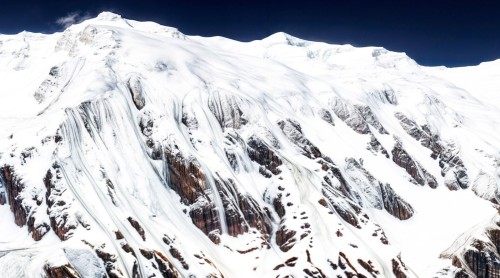
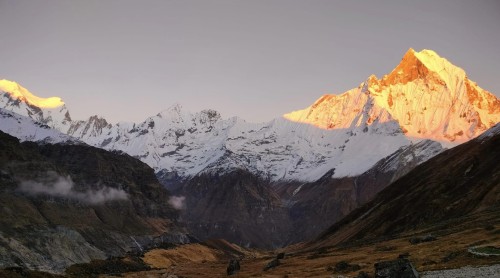
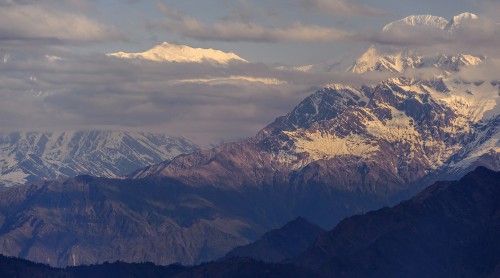
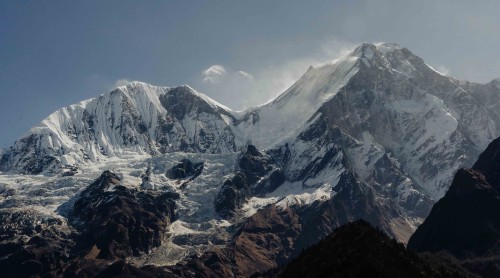
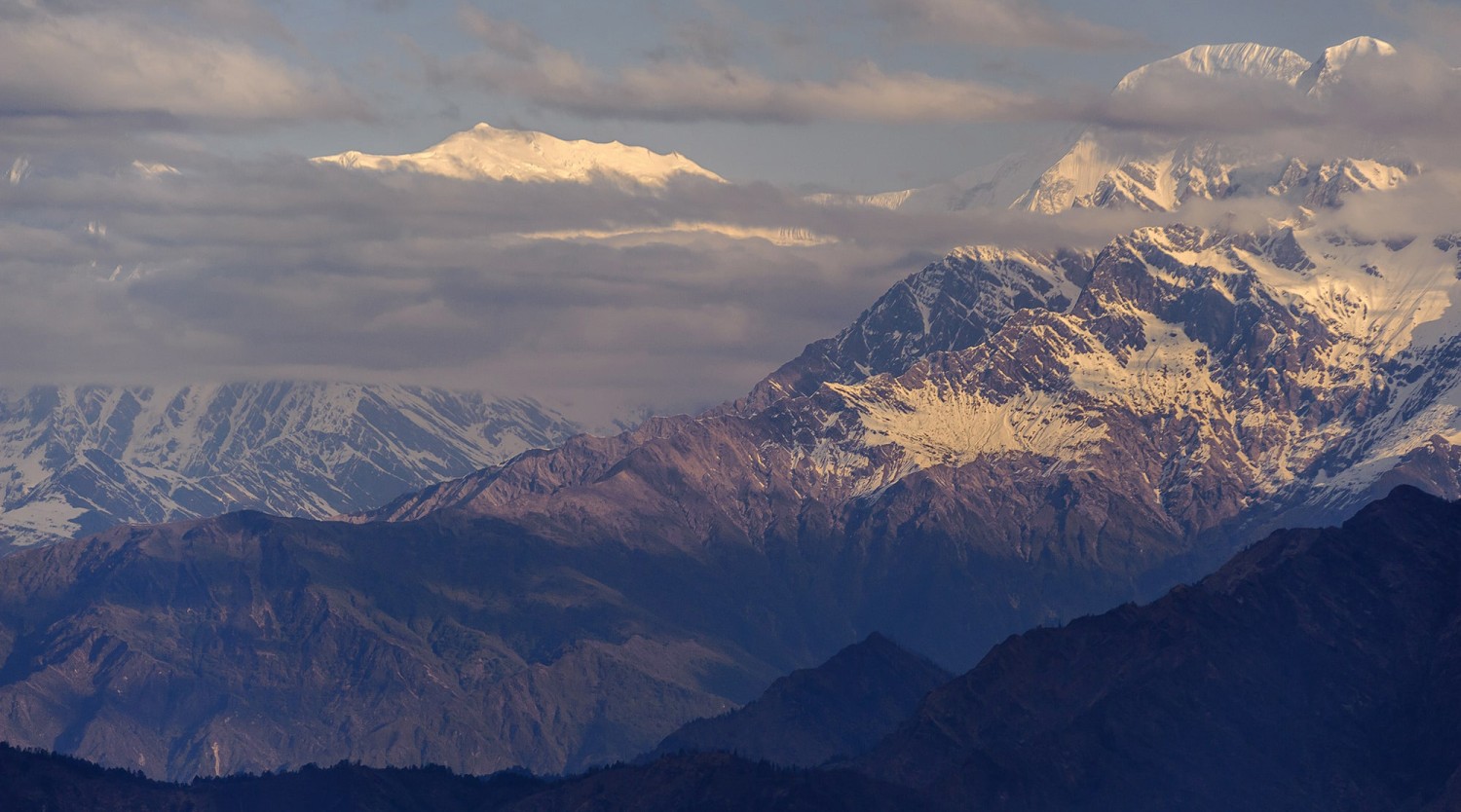
Ghorepani Poon Hill trek is in the famous region of Mount Annapurna, which is the 10th highest mountain peak in the world at 8,091 meters (26,545 ft). Annapurna is the first 8,000m peak ever summited in 1950 by the French team led by Maurice Herzog. That summit and success brought new inspiration and created a milestone in the world of mountaineering and Nepal was introduced to the global arena for adventure tourism.
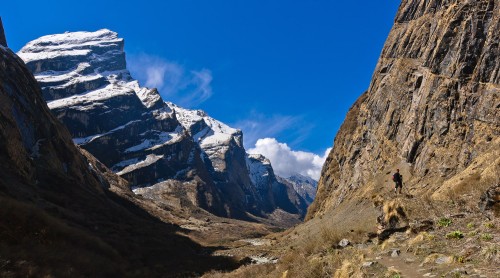
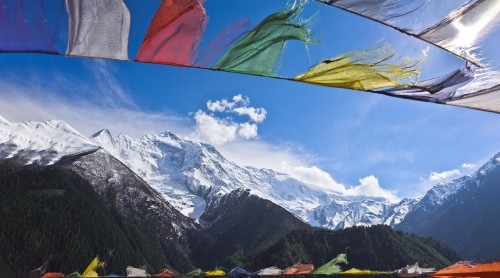
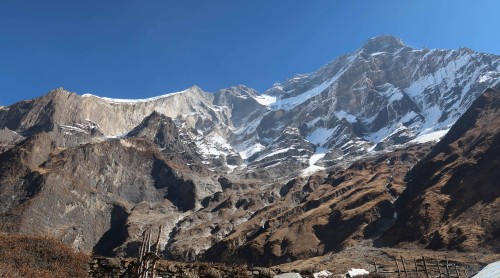
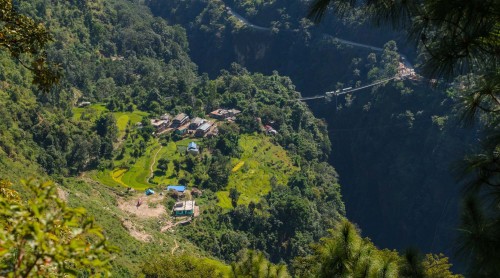
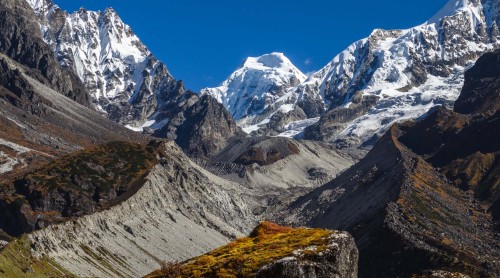
The Ghorepani Poon Hill (sometime spelt as Poonhill) Trek is now one of the most popular trekking routes in Nepal due to its short duration, lower altitude, suitability for trekkers of all abilities, stunning scenery, and rich culture. This eight-day trek takes you through diverse ethnic settlements, terraced farmlands, and beautiful mountain vistas.
Q: How difficult is the Ghorepani Poonhill trek?
The term “how difficult” can be difficult to define indeed, as the ‘difficulty of a trek’ varies from person to person. Factors such as a trekker’s fitness level, previous trekking and hiking experience, individual capacity to adapt to new conditions, age, mental strength, and overall health influence how difficult a trek may feel.
Generally, trekking routes in Nepal has been categorized into four levels: easy, moderate, difficult, and strenuous. The Ghorepani Poon Hill trek falls under the moderately easy category. This is because the trek involves walking some 5-7 hours a day around a week, and some steep ascents and descents.
Although the trek does not require any technical climbing skills, having prior hiking experience can greatly help your body adjust to this uneven terrain of the Himalayas.
Q: What altitude will I gain during this trek?
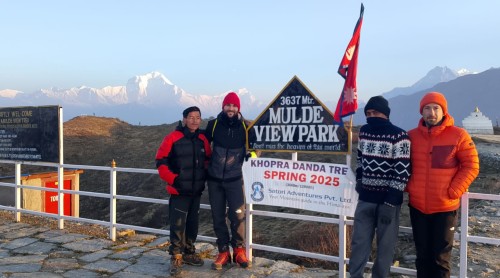
During the Ghorepani Poonhill trek, Poonhill – key viewpoint of Annapurna region – at 3,180m (10,433ft) is the highest point you reach. Ghorepani approximately at 2,874 m (9,429 ft) is the highest place where you sleep.
Q: What is the best time to trek to Ghorepani Poonhill?
In Nepal, we have four distinct seasons: Spring (March - May), Monsoon/Summer (June - August), Autumn (September - November), and Winter (December - February). Satori Adventures offers trekking programs throughout the year, in line with Nepal’s tourism slogan, “Nepal for All Seasons.”
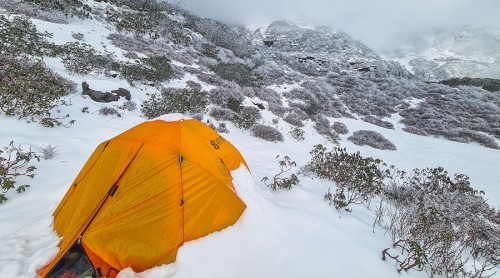
Each season presents different conditions. During the monsoon, heavy rainfall can cause landslides and flooding, making travel more challenging in the mountains. In winter, temperatures in the Himalayas drop and heavy snowfall may pose some challenges to trek.
So, autumn right after the monsoon and spring season are the best time to trek. But, this short loop trek can be done in winter months as well, and even in rainy season – though challenging with rain, landslides, and leeches.
Q: What does the average temperature look like?
At Ghorepani the highest place you sleep, can range between 10°C to 18°C (50°F to 64°F) in autumn daytime and 0°C to 8°C (32°F to 46°F) in nighttime. Poon Hill is very cold just before the sunrise, and can reach to -5°C to 5°C (23°F to 41°F) in autumn morning. Winter will be colder and spring will be slightly warmer than this range.
Q: Can beginners do the Ghorepani Poon Hill trek? Do I need prior trekking experience?
Yes, absolutely new and beginners can do the Ghorepani Poonhill trek with some preparation and guidance. And, it is not mandatory – though expected bit – to have previous hiking experience in the rough and uneven terrain. The trail is rugged, with occasional steep ascents and descents and in a comparatively high-altitude situation. So, a decent level of physical fitness is required.
If you are not an experienced trekker and willing to do Ghorepani Poon Hill trek in 2026-2027, then practicing hikes that involve walking uphill and downhill with a small backpack can greatly improve your preparedness.
Health Issues, High Altitude Illness (AMS, HAPE, HACE) and Prevention
Q: What types of health problems can arise during this trekking?
As this is not serious trekking in higher altitude, chances of breathing difficulties and Acute Mountain Sickness (AMS) – the first stage of altitude sickness – in which headache, fatigue, nausea, and vomiting can occur is almost null.
Other risks at this trekking can be some sorts of sunburn and even snow blindness if exposed to the snow/ice with naked eyes – depends upon trekking season and snowfall level. Intense UV radiation at high elevations can damage skin and eyes. Using sunscreen, wearing appropriate clothing, and protecting your eyes with sunglasses with category 3 polarized sunglasses are essential precautions.
Apart from these, fall in the uneven terrain, and upset stomach can be other issues.
Q: Is altitude sickness common on the Ghorepani Poon Hill trek?
Not really. The risk of altitude sickness increases with elevation, especially above 3,000 meters. However, this trek is generally low risk, as the highest point is just 3,180 meters and you reach this height for a short period.
Satori Adventures’ guides are well-trained to recognize the symptoms of Acute Mountain Sickness (AMS) and assist trekkers in managing it safely throughout the journey.
Q: How can I prevent AMS (Acute Mountain Sickness), if possible? And, any treatment available?
Certain medical conditions (such as respiratory disease) or medications (such as sleeping pills) can increase the risk of altitude sickness. It is important that you inform us in advance or your guide of any medical conditions or medications before ascending to altitude. You can help your body acclimatize and reduce the risk of altitude sickness by:
- Avoiding alcohol, tobacco, and other similar substances that can interfere the smooth flow of oxygen to the body and brain
- Eating small, and frequent meals
- Drinking plenty of water. A good test of proper hydration is the ability to produce clear and colorless urine
- Take it easy and have a rest. Nap when you can. Walk at a slower pace than you would at sea level and avoid over-exertion
- Climb gradually and take one to two rest days for every 600 m of ascent above 3,000 m.
- Hike higher and sleep at a lower altitude when possible
- Learn how to recognize early symptoms of mountain sickness
Basic treatment:
By following guidelines given above, most trekkers acclimatize successfully. The best way to treat AMS is to descend to a lower altitude, adjust the ascend pace, enhance food intake, rest, and stay well hydrated. Early diagnosis of AMS is crucial, as it is easier to treat in initial stages. Our guides are trained in recognizing, preventing, and responding to AMS symptoms. Your guide will monitor you at all times for any signs and symptoms, and you are responsible to reporting any changes honestly and promptly.
If necessary, your guide may suggest a descend to a lower altitude or use medication such as ibuprofen, paracetamol, or specific AMS medication. Acetazolamide (Diamox) is a common and effective medication that may be used to improve breathing and reduce mild symptoms. You should drink plenty of fluids and avoid alcohol while taking it.
In severe cases of AMS, your guide will make necessary arrangement with our Kathmandu office for evacuation by helicopter. Before joining the trek, we require that you purchase/submit comprehensive travel insurance that includes coverage for helicopter rescue and hospitalization.
Q: Do I carry some medicine during my trekking?
You are required to bring your personal and prescription medications, if any. We will provide an adequate emergency first-aid kit which your guide will carry. And, s/he has essential first-aid training to help ensure your well-being throughout the trek.
Q: Are there any hospitals along the trekking route?
There are no proper hospitals in the trekking region to provide advanced medical treatment. However, in Kathmandu and in Pokhara, there are several international-standard travel medicine centers. In serious cases requiring hospitalization, you will be airlifted from the trekking area to a hospital in Kathmandu for further treatment.
Insurance Requirements, Emergency Situations
Q: Do I need travel insurance for Ghorepani Poonhill trekking? And, what sorts of insurance coverage is required?
Yes, you need to have proper travel insurance covering medical coverage, altitude related illness, and other possible medical issues and injuries like fall, accident etc. The policy must cover altitude of maximum of 3,500 m.
Emergency evacuation, including helicopter rescue, must also be incorporated in your insurance policy. We generally advise a minimum coverage of USD 8,000 for evacuation and rescue services.
Furthermore, your insurance should also include repatriation to your home country if required (this is not mandatory and entirely up to your preference). Besides these, your policy may cover costs of loss, delays, cancellation of services etcetera.
Bear in mind that, your small investment in insurance can save you from very high costs in the future.
Q: Where can I obtain my travel insurance? Do you have any recommendations?
It is important to arrange your travel insurance in your home country before departure. When purchasing a policy, ensure that it provides reliable services on timely manner, including emergency evacuation via fully equipped medical transportation. Some insurance companies may not have efficient communication channels in Nepal or in high-altitude regions, which can delay response times in emergency situations. So, check their support system and local agency presence.
Additionally, note that classification of emergency situations may vary between insurance companies. So, make sure that you are well-informed of their policies. Though, endorsing any specific company is not our policy, to the best of our previous experience and knowledge, Global Rescue is considered a reliable option.
Q: Are helicopter rescue and evacuation services available during my trekking if required? How will it be arranged?
Safety is always our top priority. We plan our itinerary with proper schedule, provide good service and care, and quality logistical support during the hiking. So, there is the least chance that you need evacuation. Still, you are in the world’s toughest terrain, and it can be required any time.
In an emergency – if required – helicopter rescue is available. At Satori Adventures, we always recommend that our customers have comprehensive insurance that covers medical treatment, evacuation, and high-altitude rescue during trekking.
We will coordinate with relevant authorities to ensure timely rescue and evacuation if needed.
Choosing right Trekking Company, and Preparation
Q. How to choose an experienced trekking company for my Ghorepani Poonhill trekking?
For a safe and successful trek in the Himalayas, choosing an experienced and reliable service provider is one of the most important steps. A reputable trekking company should offer certified and experienced guides, well-planned itineraries, and strong logistical support.
Q. Why Should I choose Satori Adventures for Ghorepani Poonhill trekking?
If you are embarking on a journey of the lifetime in the Himalayas, choosing right company makes all the difference. Satori Adventures for some reasons will be your best partner.
In Nepal, more than 1,700 trekking companies are registered and licensed to offer trekking and peak climbing services. However, only around 30 companies regularly operate full-scale expeditions. We are proud to be one of them.
This means we have a deeper understanding of the Himalayas than many smaller operators. We have a large pool of highly experienced trekking guides, provide top-rated logistics, and are supported by a skilled and professional management team. We perform at a level above most trekking companies in Nepal.
We are a homegrown trekking and expedition operator from Nepal, with all professional trekking guides born and raised in the Himalayas. Be in during the trekking or peak climbing trip, our motto is always “High Success and High-Safety”.
The company is led by an industry leader. Satori Adventures’ Managing Director has been appointed as a Board Director of Nepal Tourism Board for 2024-27 term, honoring his significant contributions to Nepal’s tourism industry. And, he has been elected General Secretary of the Expedition Operators Association Nepal (EOA-Nepal) for the term 2023-27.
Q: Who will pick me up at the airport upon my arrival?
Satori Adventures’ representative will be waiting you at the arrival terminal of Tribhuvan international airport with a placard with your name. We will then transfer you directly to your hotel. We request you to provide us your flight arrival details (flight number, airlines, and arrival time) two days before you depart your home.
A representative from Satori Adventures will be waiting for you at the arrival terminal of Tribhuvan International Airport holding a placard with your name. You will then be transferred directly to your hotel.
We kindly request that you provide us with your flight arrival details – including flight number, airline, and arrival time – at least two days before departing from your home country.
Q: Do I need a guide for the Ghorepani Poonhill trek?
Yes. Since April 2023, the Nepal Government has required foreign trekkers to be accompanied by a licensed trekking guide in certain high-altitude trekking regions. Although this trek is out of the government’s mandatory list, hiring a guide is still highly beneficial, and we recommend trek with one.
Trekking guide can significantly enhance your high-altitude trekking experience. A professional guide can understand your pace and suggest the best ways to acclimatize, and in case of emergencies, they can coordinate rescue or evacuation procedures.
In addition, trekking guide enrich your journey with insights into local culture, history, and others making the experience more meaningful. In short, a knowledgeable guide offers safety, support, and peace of mind, allowing you to fully enjoy the adventure.
Q: What qualifications do Satori Adventures guides have?
Our priority when selecting trekking guides is to choose individuals who were born in the mountains and raised in the Himalayas. Most of them come from villages situated at a minimum altitude of 3,500 meters, giving them natural familiarity with high-altitude environments from birth.
We have a pool of licensed trekking guides, certified by the Government of Nepal, with a wide range of language skills. If you prefer, we can also arrange experienced Western guides – cost may go high up.
We carefully select every guide based on their professional experience, leadership qualities, and positive personal attitude. Beyond their existing knowledge, we provide regular training in areas such as: high-altitude trekking techniques, effective communication, wilderness first aid, advanced search and rescue, emotional intelligence, and other skills as needed.
With this combination of local expertise, professional training, and genuine care, our guides are dedicated to enriching your trekking experience and ensuring you return safely.
Q: How much weight can a porter carry? Can I trek without having porter?
A porter typically carries 20-25 kg including trekker’s luggage, and their own small bag on top of that. Sometimes, weight of total carry can reach up to 30 kg. Keeping your pack within this limit is ideal for ensuring the porter’s safety and well-being.
You can trek to Ghorepani Poonhill without a porter. There are no restrictions. However, hiring a porter can greatly improve your trekking experience, especially since you will be walking long days at higher altitude with steep ascents and descents. Having a porter not only makes the trek more comfortable and enjoyable but also supports the local economy and creates job opportunities for young people.
Satori Adventures always use service of trekking porters. Normally, we provide one porter among two trekkers or in 2:1 ratio, and we try to limit the luggage weight to 15-18 kg as far as possible.
Q: Are Satori Adventures’ staffs fully equipped, and well paid? What about their insurance?
All Satori Adventure trekking guides, Sherpa and porters are fully equipped, well-paid, above average, and insured. They have insurance that covers medical evacuation and treatment.
Equipment & Packing
Q: What should I pack for the Ghorepani Poon Hill trek? What equipment does Satori provide?
We have a detailed list of equipment for trekking in the Nepal Himalayas available here: Trekking Equipment List. Please review the list, and If you have further questions, contact us at info@satoriadventuresnepal.com or send a Whatsapp message
We provide sleeping bags and down jackets if you want to request with us. These are used items, so if you are concerned about hygiene, you may choose to bring your own personal gear. We provide duffel bags for all tea house trekking packages. This will be comfortable packs for porters to carry.
Q: What essential gear do I need for this trekking?
For a quick reference we suggest that you must have the following items with you: down jacket; base layers and a fleece jacket; a sleeping bag rated for temperatures around -10°C ; waterproof and windproof jacket and pants; good-quality waterproof trekking boots; 20-40 l day pack to carry your day essential, trekking poles; gloves; a warm hat; buffs; sunscreen; sunglasses; and a reusable water bottle.
In addition, it is recommended to carry a power bank, water-purification tablets, slippers, and other personal items.
Q: Can I rent trekking equipment in Kathmandu? Is it better to buy over renting the trekking equipment?
You can rent some trekking equipment such as a down jacket, sleeping bag, and trekking boots in Kathmandu. Thamel offers good-quality equipment for rent on a daily basis. Renting can help you save money and is less hectic than carrying bulky gear back home.
However, rented items are used multiple times by other trekkers, so if you are concerned about hygiene, this may not be the best option. Proper fit can also be an issue with rented equipment.
We mention earlier also that, if you require a down jacket or sleeping bag, we will provide them on a complimentary basis. Alternatively, if you prefer to buy your own gear in Kathmandu, Thamel offers everything from world-class branded equipment to good-quality local alternatives.
Accommodation & Food
Q: What is the accommodation like on the trail? And, what to expect in Kathmandu and Pokhara?
There are various categories of hotels available in Kathmandu and Pokhara. Based on your preference, we arrange accommodation in 3 to 5-star category hotels.
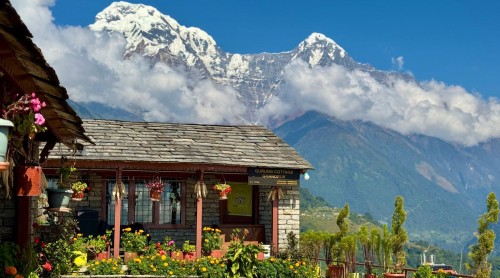
During the trek, we use good-standard tea-house lodges for your accommodation. These are generally cozy teahouses that offer clean rooms, warm dining halls, and good meals, ensuring a comfortable stay.
Q: What kind of food is available during the trek? Are the meals included in the package?
During the trek, all meals are included in the package price. You will be provided with breakfast, lunch, and dinner each day. Generally, you have breakfast at the teahouse and then start walking. Lunch is served along the way after a few hours of trekking, and dinner is taken at the teahouse or lodge where you stay overnight.
You can choose your meal from the menus teahouse lodges and hotels offer, which typically include Dal Bhat (a traditional Nepali set meal with steamed plain rice, lentil soup, vegetable curry, greens, and pickle), as well as pasta, pizza, macaroni, noodles, fried rice, boiled or fried potatoes, French fries, various types of soups, eggs, and other dishes. Coffee, tea, and a variety of hot drinks are also available.
In Kathmandu, meals are not included in the package. This is to give you the freedom to choose from the wide range of restaurants available in the city.
Q: How safe is the food in Nepal during trekking?
Food safety is always a primary concern when visiting a foreign country. It is valid concern that your body may react differently to new bacteria, water, and food-handling practices. Sometimes, this can disrupt your itinerary, cause discomfort, and negatively affect your overall travel experience. At high altitude, food-related issues can reduce energy levels and increase the risk of dehydration and altitude-related problems.
We do our best to select clean and hygienic lodges and restaurants that handle food with proper sanitary care. These lodges are experienced in preparing meals for trekkers on a daily basis. Overall, the meals served during the trek are generally safe.
At the same time, we advise you to avoid junk food, raw or undercooked meals, salads, hard-to-digest meats, and oily foods. Popular dishes such as Dal Bhat, noodles, soups, rice, and potatoes are especially safe choices in the trek, as they are freshly prepared and served hot.
Q: Is drinking water safe? How can I purify water during the trek?
As you are in a new country and exposing to unfamiliar bacteria and viruses, caution is required. Tap water in villages and teahouses used by locals is not safe to drink directly. Drinking untreated water can lead to stomach upsets, diarrhea, or other illnesses, which can spoil your travel experience.
You can buy bottled water at most teahouses along the trek, which is a safe option. However, for environmental reasons and because it becomes expensive at higher altitudes, it is better to limit bottled water use.
A better option is to carry water purification tablets or a filter. Since you need to drink more water to stay hydrated at high altitude, it is recommended to use a reusable water bottle in combination with a purification method viz. tablets or filter.
Visa, Permits & Logistics
Q: Do I need a visa to enter Nepal? How can I obtain the visa?
All foreign visitors, except Indian nationals, are required to obtain a Nepal visa. These visas are generally easy to obtain upon arrival at Tribhuvan International Airport. Nationals from some African countries, as well as Afghanistan and Pakistan, may face additional time for processing.
Since spring 2015, Nepal Immigration has introduced a computerized automated visa system, making the arrival process faster and more convenient. You can fill up online form, and visit Nepal embassy in your home country, along with two passport sized photographs to get the visa – if there are any and close to your home. Alternately, you can bring the form and get visa at the immigration upon arrival in Kathmandu. You can take 30 days’ visa for this trek.
For detailed information on immigration rules, items you can bring, and other travel regulations, please visit the official Nepal immigration website: https://www.immigration.gov.np/en.
Q: What essential documents do I need to bring with me?
Your passport is the most important travel document. Make sure that your passport is valid for at least six months from your travel date and have at least one blank page for the visa stamp (if the visa is not obtained in your home country).
Make sure you have travel insurance that covers medical treatment and emergency helicopter evacuation. It is also recommended to carry a printed or confirmed air ticket for your onward or return journey. Indian citizens, however, can travel to Nepal without a passport and may enter using a valid voter (election) ID card or government-issued ID card.
Q: How to reach trek starting point? What transfer options are available?
From Kathmandu to Pokhara, you can either drive or fly. The drive is about 200 km and usually takes 6-7 hours due to the winding and narrow mountain roads. You can travel by regular tourist bus services or hire a private jeep for a more comfortable and private journey.
Alternatively, you can take a short flight to Pokhara, which takes about 25 minutes.
Both the drive and the flight are scenic in their own way. The drive offers beautiful mountain landscapes along the river valleys, while the flight provides majestic views of the Himalayan peaks.
From Pokhara to trek starts point you drive and then start hiking.
Cost, Booking, and Cancellation
Q: What is included and excluded in the Ghorepani Poon Hill trek package?
Under the Costs section [Click Here] you can find full details of what is included and excluded. If you have further questions, please contact us at info@satoriadventuresnepal.com or send a Whatsapp Message for detailed service descriptions under different category and a complete list of inclusions and exclusions.
There are other personal expenses to consider during your trekking. Tips for guide, porters and support staffs are an important part of these extra costs. Based on our experience, you may budget around USD 1,000 -1,500 for personal and unforeseen expenses. This includes:
- Tips
- Internet and communication
- Personal food, snacks, and beverages
- Emergency and contingency fund (recommended USD 5-700)
Planning ahead for these expenses helps ensure a safe, comfortable, and well-prepared Ghorepani Poon Hill trekking.
Q: When should I book my trekking trip?
Ideally, most trekkers book their trip 3-6 months prior to the Trekking date, and we request you to book in advance as far as possible. This gives us sufficient time to secure your Lukla flight tickets, which are best purchased well in advance especially early morning flights that have a higher chance of flying. During peak Trekking seasons, advance hotel bookings are also necessary along the Trekking route and in Kathmandu to avoid any disappointments.
However, if you are unable to confirm your plans early due to work or other commitments, we can still accept bookings up to one week before your trek. In such cases, we kindly request that you remain flexible with certain services, as availability may be limited.
Other Practical Issues
Q: Can vegetarians/vegans trek to the Ghorepani Poon Hill comfortably?
Vegetarian meals are available during the Ghorepani Poon Hill trek, and we actually recommend choosing vegetarian options at higher altitudes. For vegans, extra planning is required, as food choices may be limited.
Q: Is there electricity available for charging? And, what about internet on the trail?
Yes, electricity is available to charge your power banks, batteries, and other devices, though it may incur an extra cost. Most hotels in the trekking towns also offer Wi-Fi for an additional fee.
Q: Can I customize my Ghorepani Poon Hill trek itinerary?
If this trek does not fully meet your expectations, you can explore our other trekking programs in the Annapurna region. If you would like a fully customized itinerary, please write to us we will be happy to create one tailored program just for you.
Q: How safe is Nepal and trekking? Is trekking suitable for a solo hiker or a solo female trekker?
Nepal is considered one of the safest countries for travelers, and foreigners are generally treated with warmth and respect. However, this does not mean that high-altitude trekking in the Himalayas is completely safe if you travel alone, regardless of gender.
It is easy to get lost on mountain trails, as paths can sometimes be confusing. Sudden weather changes, extreme temperatures, and unfamiliar food can also affect your health. For these reasons, trekking in the higher Himalayas with an experienced guide is the safest option. A knowledgeable guide can monitor conditions, manage risks, and ensure your safety throughout the journey.
Q: How will the Nepalese culture differ from my native culture?
You may experience culture shock in Nepal, as the country is quite different from many nations in several respects. Nepal is a developing country deeply rooted in tradition, faith, spirituality, and communal life. The pace of life is generally slow, and people place great importance on respecting elders and enjoying social interactions.
Hinduism and Buddhism strongly influence daily life, with rituals regularly taking place in temples, monasteries, and communities. In religious sites and remote areas, modest clothing is expected, especially for women. Another cultural difference that surprises many visitors is that friendly hand-holding between two men or two women is common and purely platonic in Nepal.
Streets can feel chaotic, with motorbikes, pedestrians, animals, and vehicles sharing narrow road. Buses often stop anywhere, and traffic disorder is part of everyday life. Airports and government offices may expose visitors to inefficient and disorganized systems. While English is widely spoken in tourist areas, many people from the older generation may not be able to respond you as desired. Street food and local living conditions may also feel unhygienic to some travelers.
To cope with these cultural differences, it’s best to maintain a flexible, patient, and accepting attitude. Nepal is a warm, welcoming, and tolerant country, and travelers who remain open-minded and respectful often find their experience far more rewarding.