Welcome to Nepal Himalayas for life-time adventure experience – the trekking in the Himalayas.
The History of Commercial Trekking in the Himalayas
Colonel Jimmy Roberts, who was in charge of oxygen transport for the 1953 British Everest Expedition, conducted the first commercial trekking trip to Everest Base Camp through Mountain Travel, the first trekking company registered in Nepal. Three American ladies trekked to Base Camp in camping mode in the early spring of 1965 and walked for some three and a half weeks to the foot of Everest. There was a huge caravan of Nepali supporters, including cooks, guides, a Sirdar, and porters, along with all the logistics for seven weeks.
Trekking in the early decades of the 1960s, 1970s, and 1980s was arranged only in camping mode. As locals gradually began to construct teahouses, huts, and basic lodges in the Annapurna, Everest, and Langtang regions and serve trekkers basic meals, dormitory accommodation, and outdoor toilet facilities, teahouse trekking, as we call it now, began to become popular.
Trekking in Nepal Now
Nepal offers hundreds of trekking routes, including around 80-100 well-defined and established trekking routes. If we also sum less recognized, less-developed, regional, and local trails, the number of trekking routes and trails can rise to around 300.
Nepal has an approximately 1,700 km (1,056 miles) long network of High-Himalayan trekking trails that also includes some of the highest and most challenging passes in the world. The Upper and Lower Great Himalayan Trail networks cover trekking regions from Kanchenjunga in the east through Makalu, Everest, Rolwaling, Langtang, Ganesh Himal, Manaslu, Annapurna, Dhaulagiri, Dolpa, Humla, and Api-Nampa in the west.
This epic high-altitude trekking route takes approximately 120-145 days, depending on the itinerary and route. The Upper Great Himalayan Trail networks includes two passes above 6,000 m and around 18 passes above 5,000 m.
The Lower Great Himalayan Trail networks covers some 1,500 km-long lower route, often referred to as the cultural route, which takes around 100 days and passes through diverse landscapes, traditional villages, and culturally rich communities.
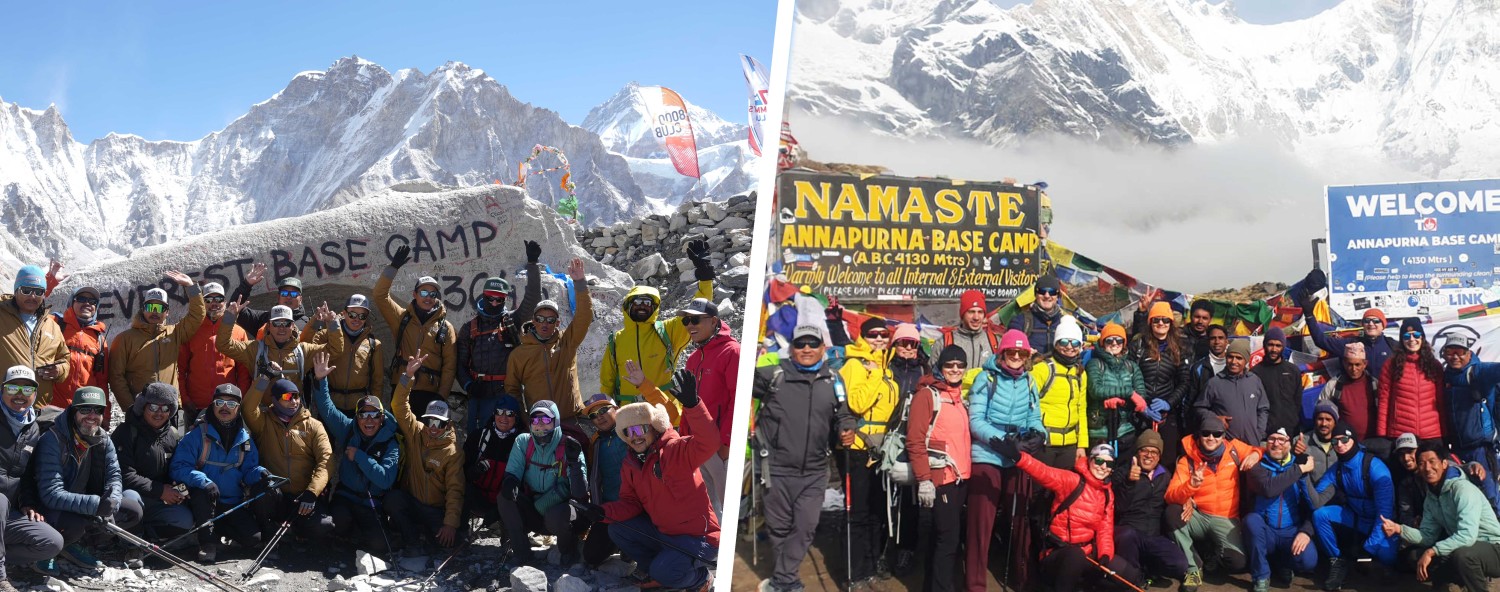
Which Trek? Everest Base Camp vs. Annapurna Base Camp
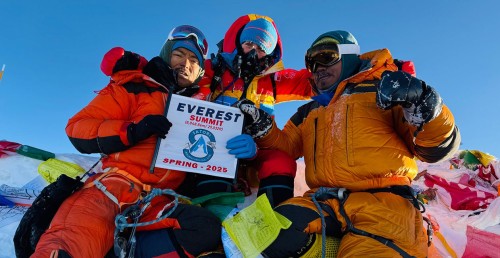
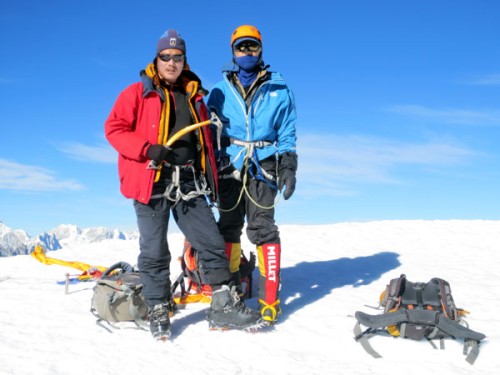
Satori Adventures’ seasoned climbing guide, Base Camp Manager, and trekking leader Bibek Pandey, along with senior trekking guide Sunil Lama, explain which trek they like the most between Everest Base Camp and Annapurna Base Camp, and why in this post.
Both Bibek and Sunil agree that it is difficult to choose and recommend one trekking trail over another. However, by taking some factors into consideration for your next trekking adventure, they share some insights into these treks.
These both journeys take you deep into the Himalayas through different landscapes, offering breathtaking mountain views, immersing you in local cultures, and creating unforgettable memories and experiences. However, the two treks are quite different in terms of trekking routes, altitude, duration, scenery, difficulty, and overall experiences.
Satori Adventures Everest Base Camp Trek program lasts 15 days, and Annapurna Base Camp last 14 days. However, there are other many itineraries in the both region to choose from.
How do you explain the Approaches to both Trekking?
Bibek and Sunil both says that contemporary trekking trails and approaches to both Base Camps have changed significantly since the beginning of their trekking career.
Everest Base Camp trekking now starts with a flight to Lukla, followed by a trek through Sherpa villages and valleys.
But, when both Bibek and Sunil began their trekking career, longer and classical option which started from from Jiri, following the foot trails that the 1953 Everest Expedition, was more popular.
If you fly to Lukla, then you gain significant altitude in a relatively short time. For example, on the second day, you reach Namche Bazaar, which is already at 3,440 m above sea level. So, those with longer time to spend and enjoy Nepal’s diverse landscape can choose the Jiri route for their trekking as Bibek suggests.
The trail is steeper, and fast rising in Everest region.
The typical route of common Everest Base Camp Trek is: Kathmandu to Lukla to Phakding to Namche Bazaar to Tengboche to Dingboche to Lobuche to Gorak Shep to Everest Base Camp to Pheriche/Namche to Lukla to Kathmandu.
Trekkers usually spend an acclimatization day in Namche Bazaar and another acclimatization in Dingboche in which you climb nearby hill to adjust your body with new environment. These rest days are important because the route reaches elevations above 5,000 meters.
Annapurna Base Camp trekking starts with a drive to Pokhara, followed by a short drive to the trekking starting point, which varies depending on the trekking program and itinerary you select. The trail to Annapurna Base Camp comprises of short uphill, downhill sections, crossings over hanging bridges across different rivers, and passages through beautiful small settlements inhabited by Gurung, Brahmin, and other communities. The starting point for this trekking is shifting closer to the mountain as the roads are being constructed.
Satori Adventures’ Annapurna Base Camp trek route follows: Kathmandu to Pokhara Drive or fly Pokhara to Ulleri (can drive all the way to Ulleri) to Ghorepani to Tadapani to Chhomrong to Bamboo to Deuralit to Annapurna Base Camp to Bamboo to Dovan to Jhinu to Pokhara to Kathmandu. This option, as Sunil suggests, offers the best that the Annapurna region has to offer.
During the Annapurna trekking, acclimatization hike or rest is not required.
The Comparison: Budget and Fitness
Bibek points out that the budget and fitness are two primary factors he would consider while recommending the trekking trail between these two.
Everest Base Camp is located at a higher altitude of 5,364m (17,598 ft), and trekkers reach to 5,644m (18,519ft) in Kala Patthar as the highest point, whereas Annapurna Base Camp is at 4,130m (13,550 ft). So, as Bibek thinks, if you are a good and experienced trekker and have already been to an altitude of around 3,000-4,000m, Everest Base Camp is ideal. If you are a comparatively novice trekker, then Annapurna Base Camp can be a good place to start.
The Everest trail landscape is more rugged at higher altitudes, whereas Annapurna is less remote and less rugged, with more trees and jungles almost all the way to the Base Camp. So, the Everest Base Camp trekking required better fitness.
Everest trekking involves a flight to Lukla, which is quite expensive in itself, and the cost of daily expenses is also high in the Everest region due to transportation cost of goods because of the high-altitude and the rugged terrain.
On the other hand, Annapurna Base Camp trekking is more accessible. Trekkers can travel to Pokhara by bus, or the flight cost is also about half that of a flight to Lukla. Transporting goods and services in the trekking region is easier and cheaper compared to the Everest Base Camp region, making Annapurna region trekking slightly inexpensive.
What Landscapes and Scenery Do Both Trekking Regions Offer?
Bibek especially likes the landscape of Everest, where high-rise mountain peaks suddenly mushroom in a very high-altitude, from the rugged terrain, boulders, and glaciers.
The concentration of the peaks is amazing. Some of the world's highest and most iconic Himalayan peaks, including three 8,000m peaks: Mount Everest (8,848.86m/29,032ft), Lhotse (8,516m/27,940ft), and Cho Oyu (8,188m/26,864ft) – from the route through Phortse can be seen in a single trek. Other seven thousand and six thousand meter peaks are also in high concentration such as Nuptse (7,861m/25,791ft), Changtse (7,543m/24,747ft), Pumori (7,161m/23,494ft), Ama Dablam (6,812m/22,349ft), Kangtega (6,782m/22,251ft), Thamserku (6,608m/21,680ft), Lobuche West (6,145m/20,161ft), Island Peak (Imja Tse) (6,189m/20,305ft) and others.
But for Sunil, the landscape and scenery in the Annapurna Base Camp region are more soothing, relaxing, and refreshing, as the trail involves lower altitudes, greener landscapes, shorter trekking days, more frequent villages, and friendlier people.
The mountain peaks are not as high or as concentrated here as they are in the Everest region. The 8,000m peaks you can enjoy the view during the Annapurna Base Camp Trek are Annapurna I (8,091m/26,545ft) and Dhaulagiri I (8,167m/26,795ft) – from Ghorepani route only. And other seven and six thousand peaks include Annapurna South (7,219m/23,684ft), Gangapurna (7,455m/24,459ft), Machhapuchhre (Fishtail) (6,993m/22,943ft), Hiunchuli (6,441m/21,132ft), Singu Chuli (Fluted Peak) (6,501m/21,329ft).
Bibek also agrees with Sunil that the landscape in the Annapurna region is magical, with river valleys, villages dotted across terraces, green jungles and mountains, and white mountain peaks all appearing in one frame. Annapurna Base Camp trek and Annapurna region trekking offers diverse landscapes with rhododendron forests, terraced farmland, waterfalls etc.
So, the choice is yours whether you want to challenge yourself in tougher terrain and enjoy the majestic view of the mountains or trek bit easily.
What About Culture and Local Immersion?
Nepal is a culturally diverse country with dozens of ethnic communities, each with their distinct traditions, festivals, religions, languages, food, and everyday ways of life, offering tourists rich cultural experiences.
In the Annapurna region, the Gurung and Magar communities are primary groups, with Brahmin, Chhetri, and others also present in smaller numbers. Pokhara and the lower regions are more culturally diverse than the upper sections. As Nepal has dozens of festivals celebrated by different communities throughout the year, the Annapurna region offers tourists opportunities to experience and immerse themselves in local culture and festivals. In Annapurna, tourists encounter Hindu cultures and festivals more often than Buddhist cultures and festivals.
Whereas the Sherpa community has a dominant presence in the Everest region, and there are fewer opportunities to immerse oneself in diverse local ethnic festivals and cultures. This region is home to ancient Buddhist traditions, with monasteries, prayer wheels, mani walls, and colorful prayer flags to enjoy and respect.
What is Best time to Trek to Everest Base Camp and Trek to Annapurna Base Camp?
Among four major seasons in Nepal viz. Spring, Summer/Rainy, Autumn, and Winter, Spring and Autumn two months are good for trekking in the Nepal Himalayas.
And, Autumn is the best season for trekking among all as it comes after the monsoon rains. Skies become exceptionally clear and blue, offering superb views of the Himalayan peaks. Moreover, the landscapes are fresh, with yellowish-green terraces and clean, haze-free air.
Weather in autumn (September to November) is often stable, with comparatively drier trails, minimal chance of rain, and comfortable daytime temperatures.
Autumn season coincides with Nepal’s few major festivals like Dashain – the worship of Goddess Durga and visiting families, and Tihar – the light of festival, giving you a chance to experience vibrant local culture alongside your journey in the mountains. The Annapurna region celebrates these festivals more than the people living in Everest.
Spring season, from March to May, is also a good time to visit the Himalayas, with stable and warmer weather, blooming rhododendrons, and good mountain visibility. The Annapurna region is particularly beautiful during this season because of its extensive rhododendron forests.
Which Trek Should You Choose: Everest Base Camp or Annapurna Base Camp?
Some closing remarks on choosing the right trekking for you between Annapurna Base Camp and Everest Base Camp trek,
Choose Everest Base Camp Trek if:
- Standing at the base of Mount Everest is your dream.
- You want a higher-altitude Himalayan adventure.
- You enjoy Sherpa culture and Buddhist monasteries.
- You want spectacular views of Everest, Lhotse, Nuptse, and Ama Dablam.
- You have approximately two weeks’ time available.
- And, your fitness is good and you can afford slightly higher expenses.
Choose Annapurna Base Camp Trek if:
- You want a comparatively shorter and less intense Himalayan trek.
- You prefer diverse landscapes and vegetation.
- You want to experience mixed cultures and lifestyles of communities.
- You want to trek through forests, waterfalls, and mountain valleys.
- You are novice trekker and want to travel affordably.
Short Introduction of our Guides: Bibek Pandey and Sunil Lama
Bibek Pandey-Trekking Leader, Mountaineering Guide, and Base Camp Manager
Bibek Pandey is a seasoned and accomplished Trekking Leader, climbing guide, and now Expedition Base Camp Manager. He has more than two decades of experience in Trekking, leading the groups, and high-altitude mountaineering.
Bibek’s mountaineering experience includes successful ascents of three of the world’s 8,000-meter peaks: Mount Everest (8,848.86m), Mount Manaslu (8,163m), and Mount Cho Oyu (8,188m) with dozens of technical trekking peaks climbing including Lobuche East 11 times, Island Peak 9 times, and Mera Peak 9 times.
His qualifications include advanced mountaineering, wilderness first aid, helicopter marshalling, and liaison officer training, along with solo skydiving experience.
Today, Bibek is unavailable as a trekking guide; rather, he manages Satori Adventures’ expedition base camps on Everest, Manaslu, and other mountains. Still, we share his expert analysis of the Everest Base Camp Trek and Annapurna Base Camp Trek here to help with your next trip planning.
Sunil Lama-Professional and Experienced Trekking Guide
Sunil Lama is a professional and experienced trekking guide with Satori Adventures, with nearly two decades of trekking and guiding experience. Since starting his career in 2006, he has skillfully worked and guided trekkers in some of the most renowned Himalayan regions. He has gained extensive trekking experience in the Everest, Annapurna, Langtang, Manaslu, Kanchenjunga, and Makalu regions.
He is knowledgeable about the local cultures, ethnic festivals, and traditions of all these regions. A trained and certified Trekking Guide, Sunil has also completed First Aid training.
With nearly two decades of experience on Nepal’s trekking trails, extensive knowledge of major Himalayan trekking regions, professional training, and a genuine passion for the mountains and people of Nepal, Sunil brings experience, care, and good leadership to every journey he guides.
He is available to guide your next trip in the Nepal Himalayas, but you should book your trip and his schedule in advance.
Frequently Asked Questions
1. Which trek is harder, Everest Base Camp or Annapurna Base Camp?
Everest Base Camp is generally considered more challenging because it reaches a much higher elevation of 5,364 meters and requires more time for acclimatization. Annapurna Base Camp reaches around 4,130 meters, although its steep ascents and descents can still be physically demanding.
2. How many days do I need for Everest Base Camp Trek?
A typical Everest Base Camp itinerary takes around 12-16 days, including acclimatization days and travel to and from Lukla. The exact duration depends on the route and itinerary selected.
3. How many days does Annapurna Base Camp Trek take?
A standard Annapurna Base Camp trek generally takes around 7-12 days. The duration can be shortened or extended depending on transportation, starting point, walking pace, and itinerary.
4. Which trek is better for beginners?
Annapurna Base Camp can be a better option for beginners because of lower maximum altitude and can be completed in a shorter period. However, beginners who are physically prepared and follow proper acclimatization can also complete Everest Base Camp with a suitable itinerary and experienced guide.
5. Which trek has better mountain views?
This depends on personal preference. Everest Base Camp provides iconic views of Everest, Lhotse, Nuptse, Ama Dablam, and other Himalayan peaks which are pretty steep and high-rising mountain peaks.
Annapurna Base Camp offers spectacular close-up views of Annapurna, Machhapuchchhre, Hiunchuli, and surrounding mountains but are not as steep and high-rising as in Everest region.
6. What is the best season for both Everest Base Camp and Annapurna Base Camp?
Spring (March–May) and autumn (September–November) are generally the best trekking seasons. Autumn is particularly popular because of clear mountain views and generally favorable trekking conditions, while spring offers warmer weather and beautiful rhododendron blooms.
For more information, bookings or inquiries:
Contact Us on